
Granny Flat Exemption: What Does It Really Mean for Homeowners?
Thinking about using the granny flat exemption? We break down what it means for compliance, council involvement and your responsibilities.
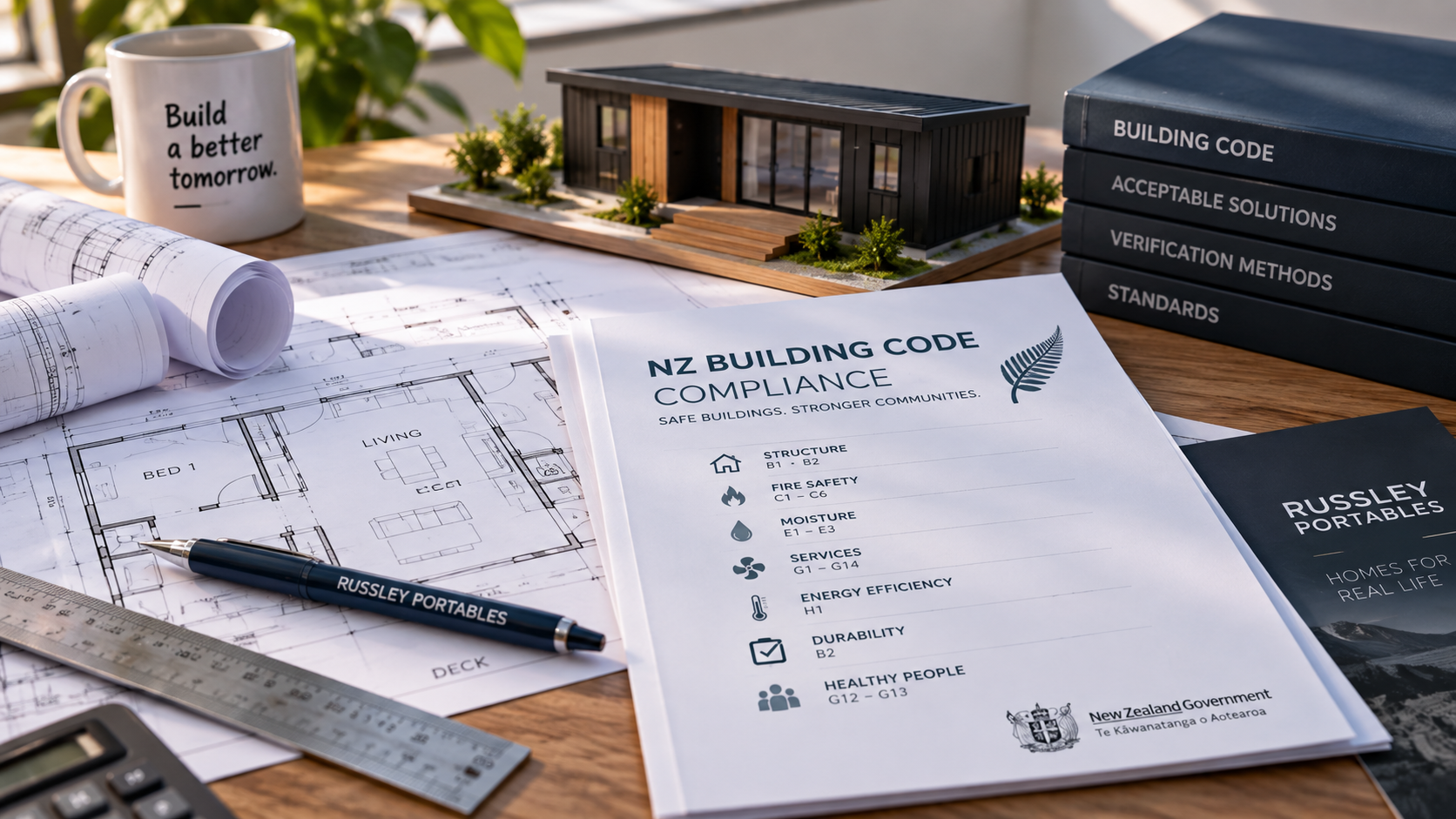
New Zealand's new granny flat building consent exemption has made it easier for homeowners to add a small secondary dwelling to their property.
Under the exemption, certain new, standalone, single-storey dwellings of up to 70m2 can be built without a building consent, provided all eligibility requirements are met.
Sounds simple right? There is one important distinction homeowners need to understand: No building consent does not mean no Building Code.
Your Granny Flat Still Needs to Comply
Even when a granny flat meets the requirements for the exemption, it must still comply with the New Building Code. The exemption has specific requirements around the building, design and construction process and appropriately licensed professionals must be involved where required.
A PIM (Project Information Memorandum) must also be obtained from the local council before building work begins, with specified documents provided once the project is complete.
So, while the exemption removes the need for a building consent, it certainly does not remove the rules.
What About Council Inspections and a Code Compliance Certificate (CCC)
This is where the exemption differs significantly from the traditional building consent process.
With a building consent, council carries out inspections at various stages of construction. Once the consented work has been completed and approved, a Code Compliance Certificate (CCC) can be issued.
Under the granny flat exemption, council does not carry out those building consent inspections or issue a CCC.
Instead, greater responsibility sits with the homeowner and the licensed professionals involved to ensure the building complies with the Building Code.
This doesn't mean that an exempt granny flat is automatically lower quality or non-compliant - it simply means compliance is managed and documented differently.
What About Finance, Insurance and Resale?
Before choosing the exemption pathway, it is worth thinking beyond the construction itself.
Your bank, insurance company, or a future purchaser may want documentation relating to the building and how compliance was demonstrated.
That's why homeowners considering the exemption should speak with their lender and insurance company early and understand exactly what documentation they'll receive when the project is complete.
Can You Still Get Building Consent?
Yes.
Even if your granny flat qualifies for the exemption, you can still choose to apply for a building consent.
For some homeowners, the exemption may offer a simpler pathway. Others may prefer the traditional consent process, including council inspections and a Code of Compliance Certificate.
The important thing is understanding the difference and choosing the pathway that's appropriate for your project.
Our Approach at Russley Portables
We have taken the time to research the granny flat exemption and consider what it could mean for our clients - not only during the build, but also in the years that follow.
After careful consideration, we have made the decision not to use the building consent exemption for our homes.
While the exemption provides a legitimate pathway for qualifying builds, we believe that the traditional building consent process provides our clients with greater certainty and a clearer compliance record for their property.
For this reason, all Russley Portable homes will continue to go through the building consent process and, following the required inspections and successful completion of the consent process, receive a Code Compliance Certificate (CCC).
Why have we made this decision? Because we're looking beyond simply getting your home built.
A CCC provides a formal confirmation from the Building Consent Authority that the consented building work has been completed in accordance with the building consent. Having this documentation can also provide greater clarity when dealing with banks, insurers, valuers and future purchasers, where evidence of compliance may be important.
We don't want our clients' discovering years down the track that the pathway chosen at the beginning of their project has created additional questions or complications when they refinance, change insurers or decide to sell.
At Russley Portable, our clients come first. We want the building process - and what happens long after we hand over the keys - to be as straightforward as possible.
For us, it's about giving our clients confidence in what they're buying, clear documentation to support it, and the assurance that comes with a fully consented home and a Code Compliance Certificate.
If you are considering a transportable home, talk to the Russley Portables team. We are happy to help you understand what's involved and where to start. 🏡